REASONED APPROACH TO POSTERIOR MAXILLARY ATROPHIES
The objective of the course is to provide participants with protocols immediately applicable in daily clinical practice, increasing the predictability and safety of advanced surgical procedures.
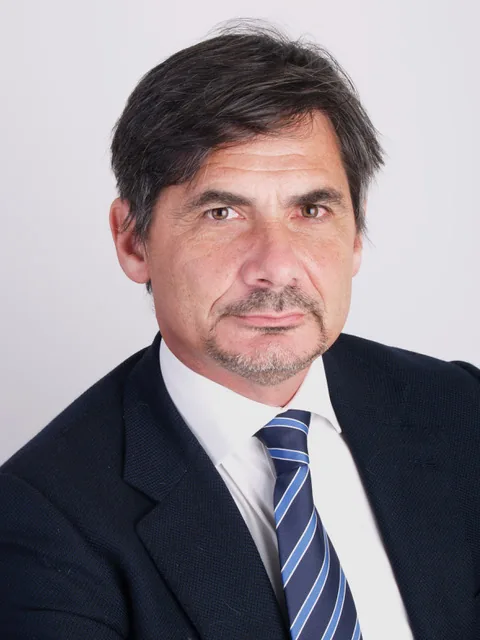
“The clinical rationale and literature support guide us in daily surgical choices.”
A look inside the course
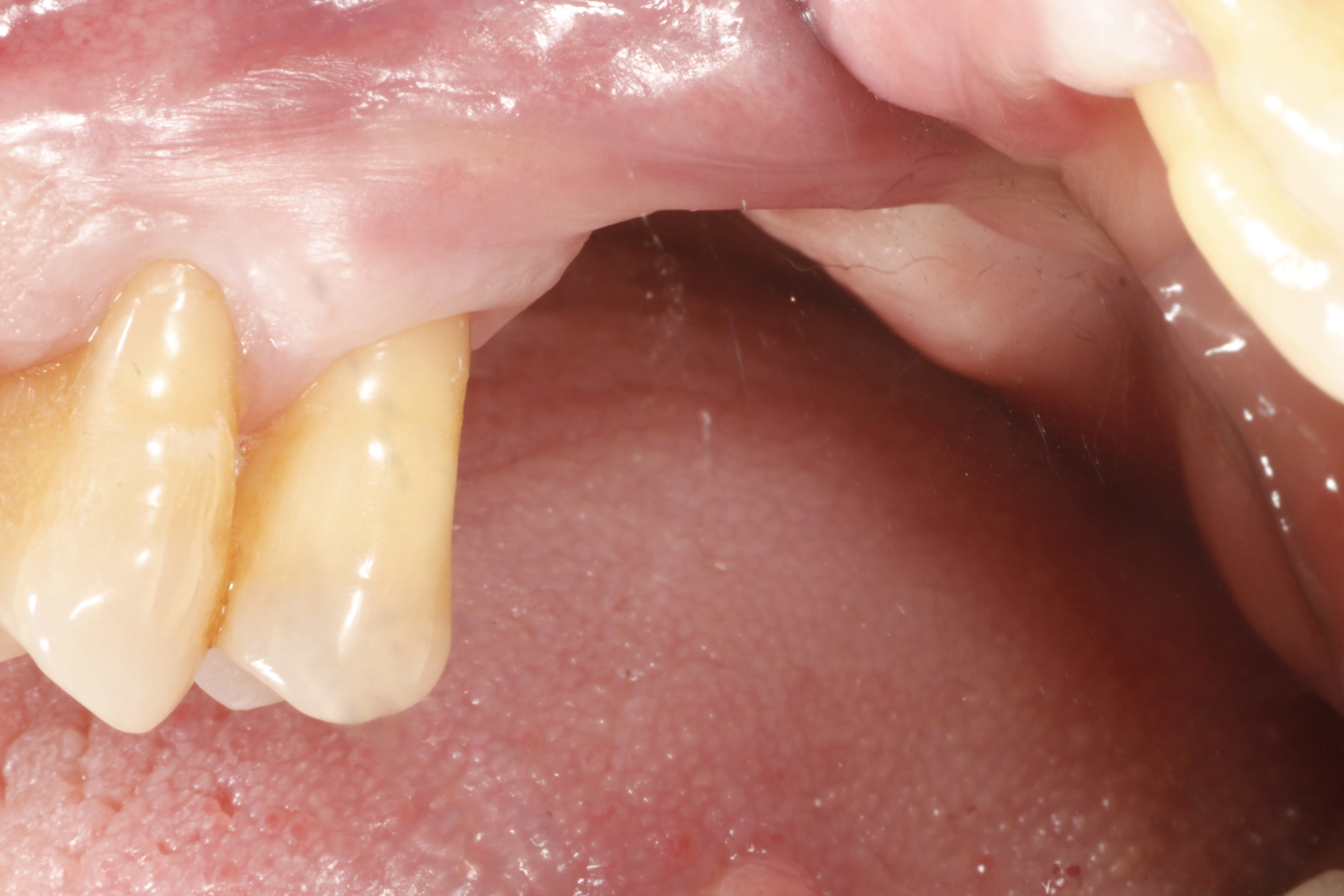
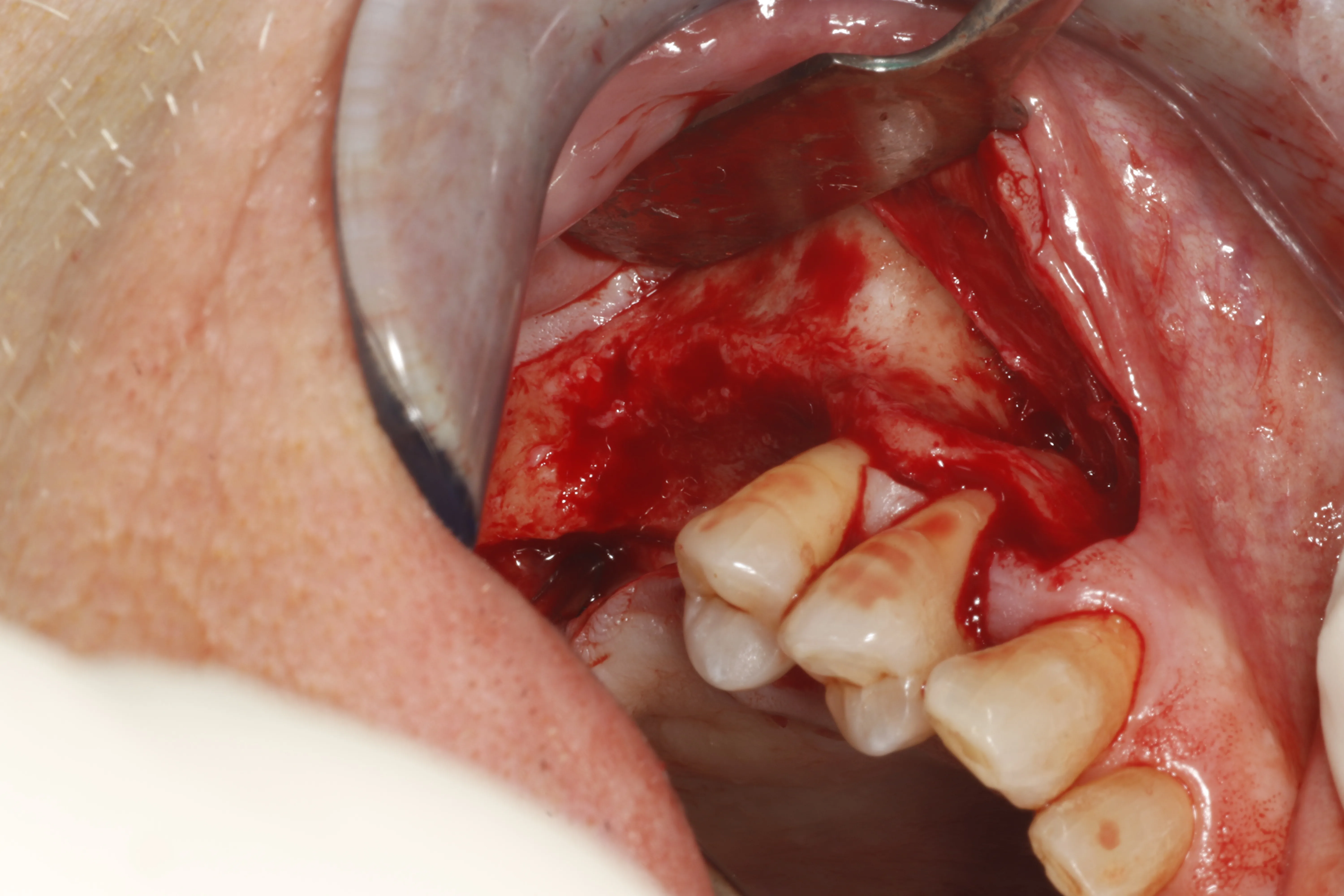
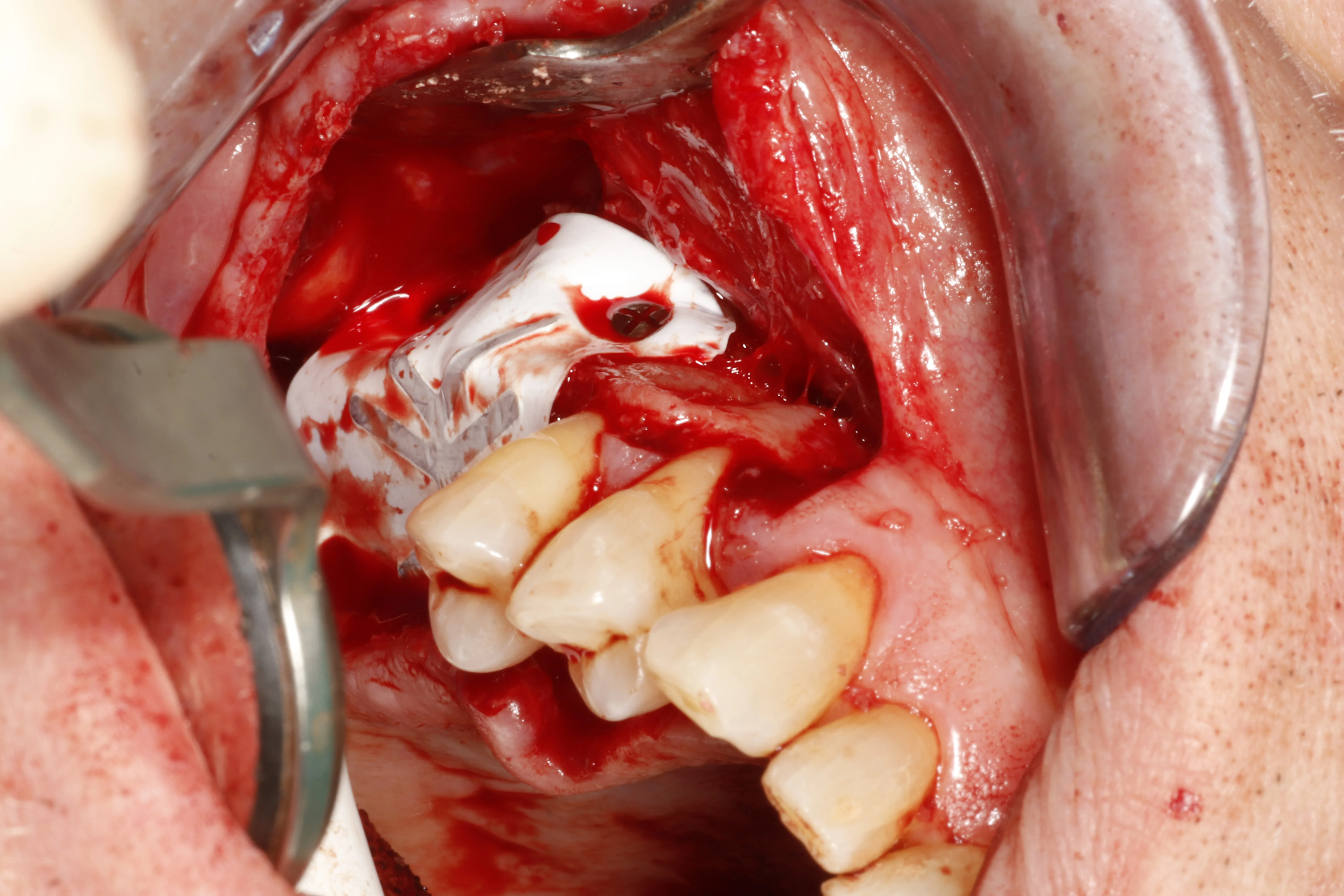
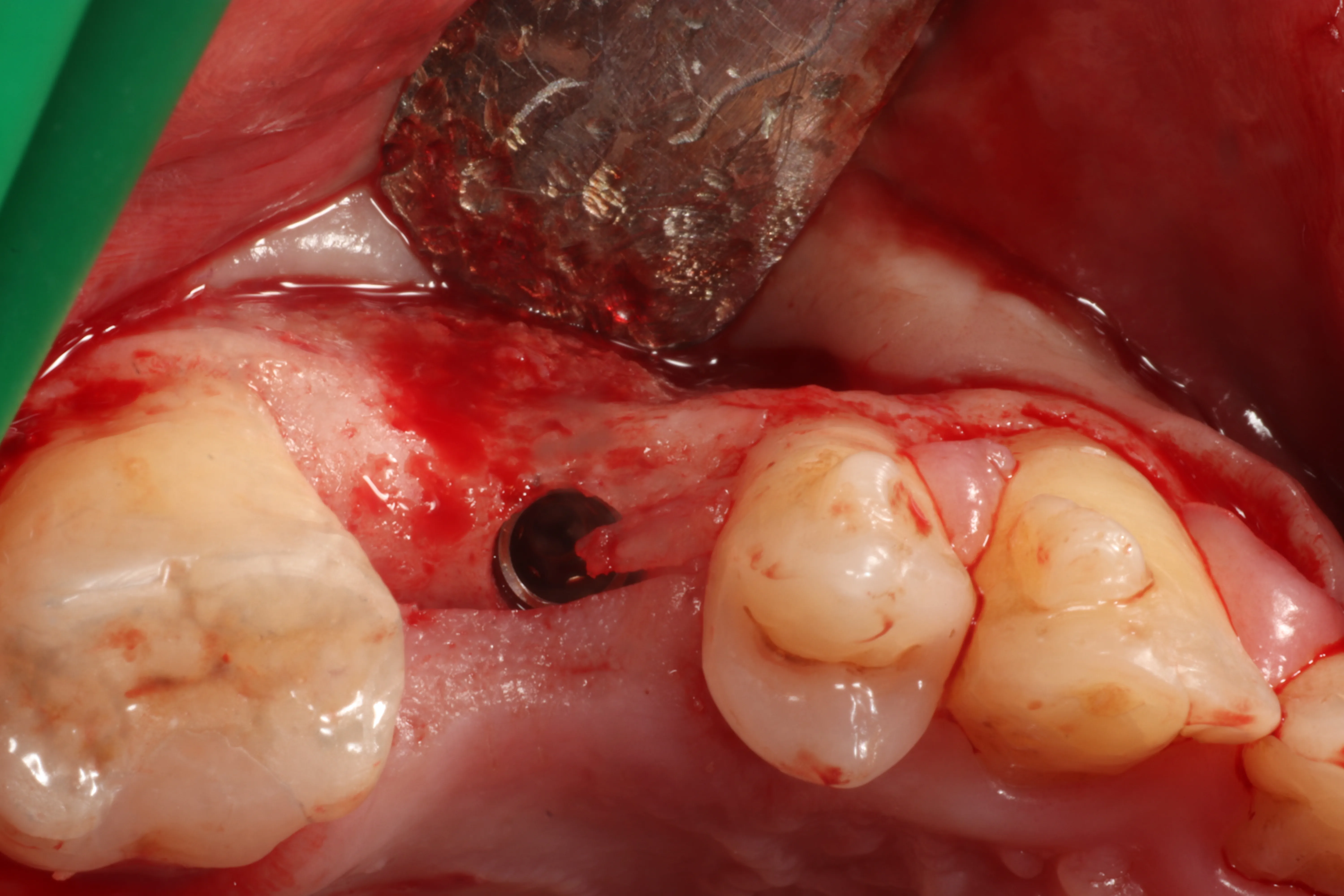
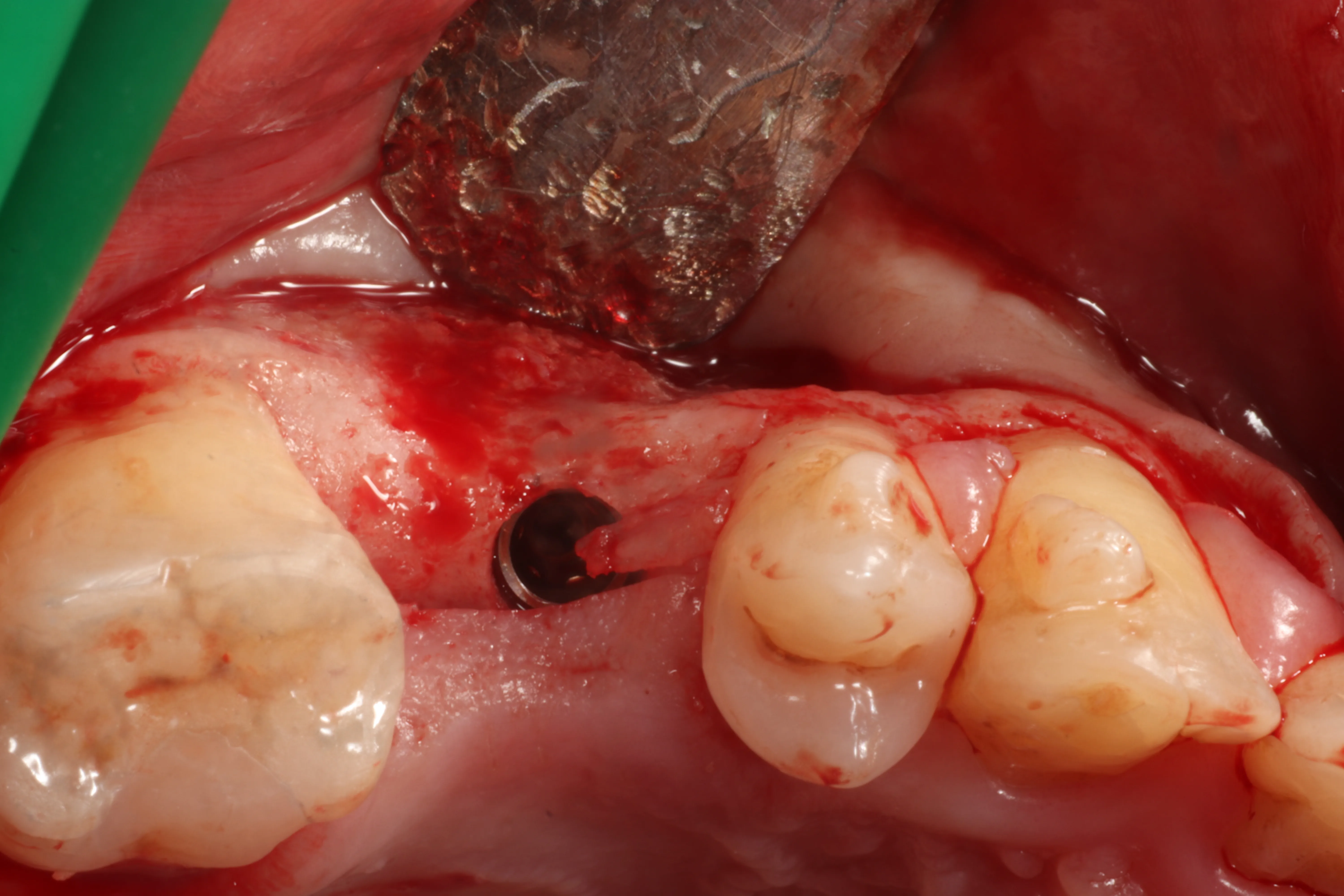
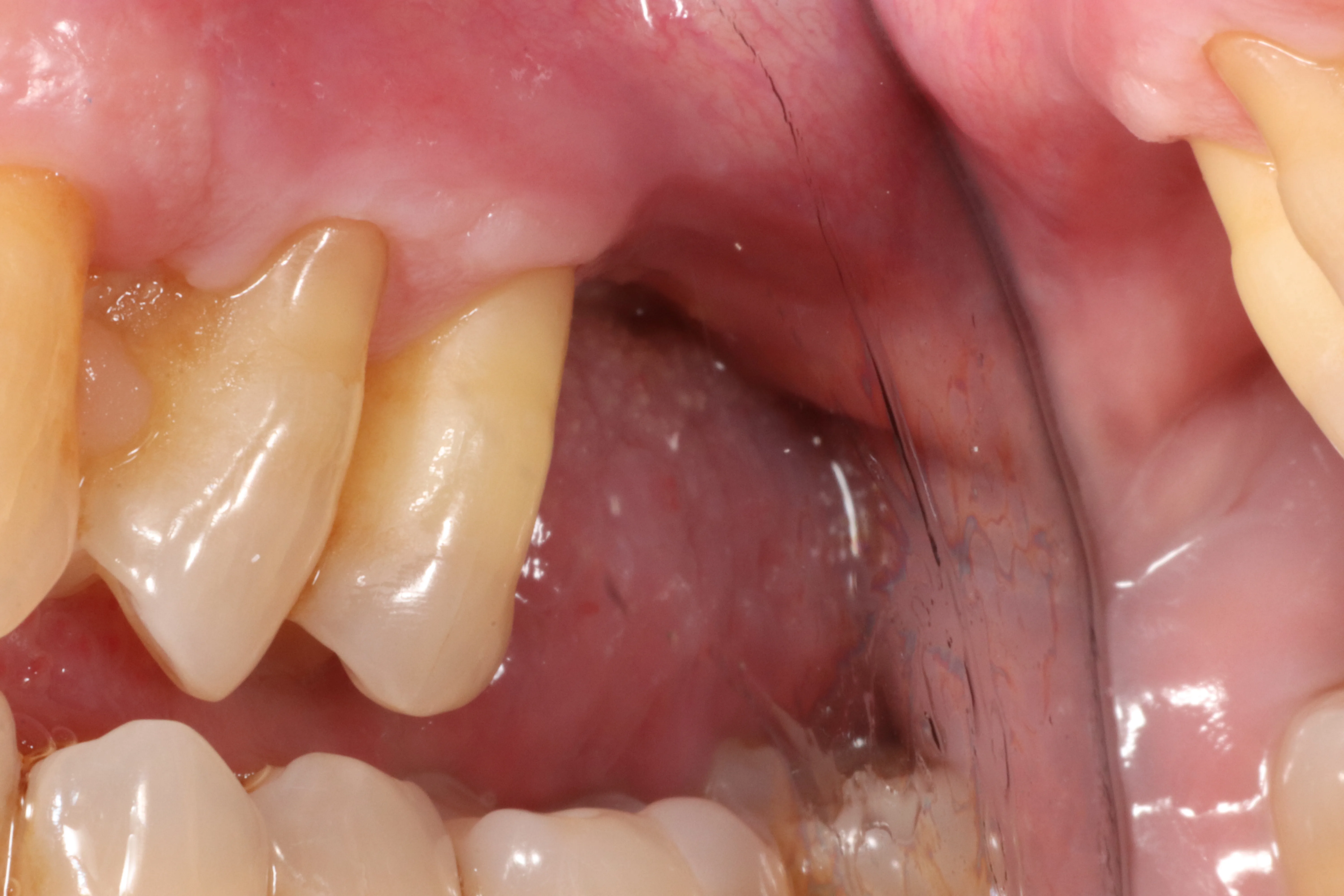
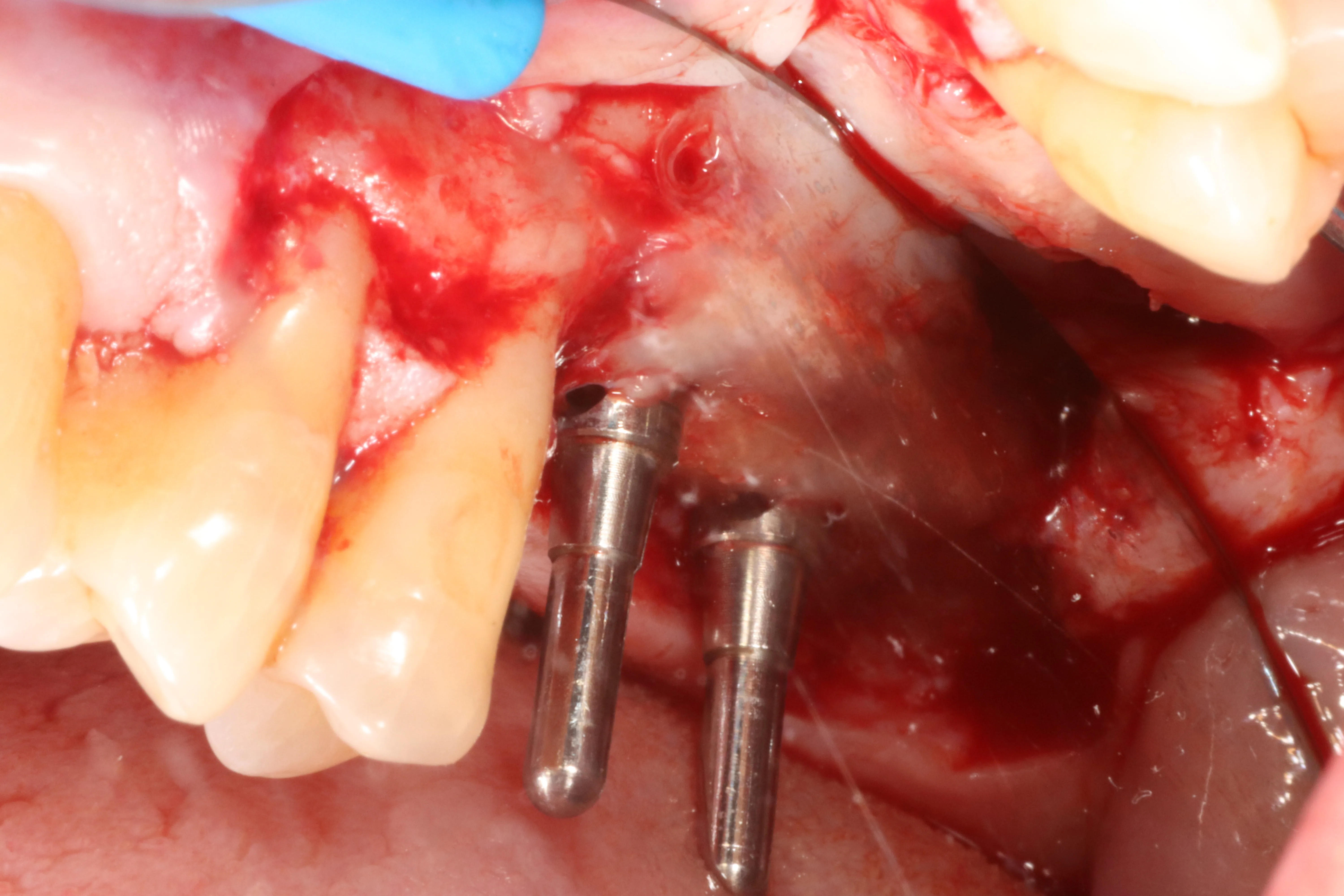
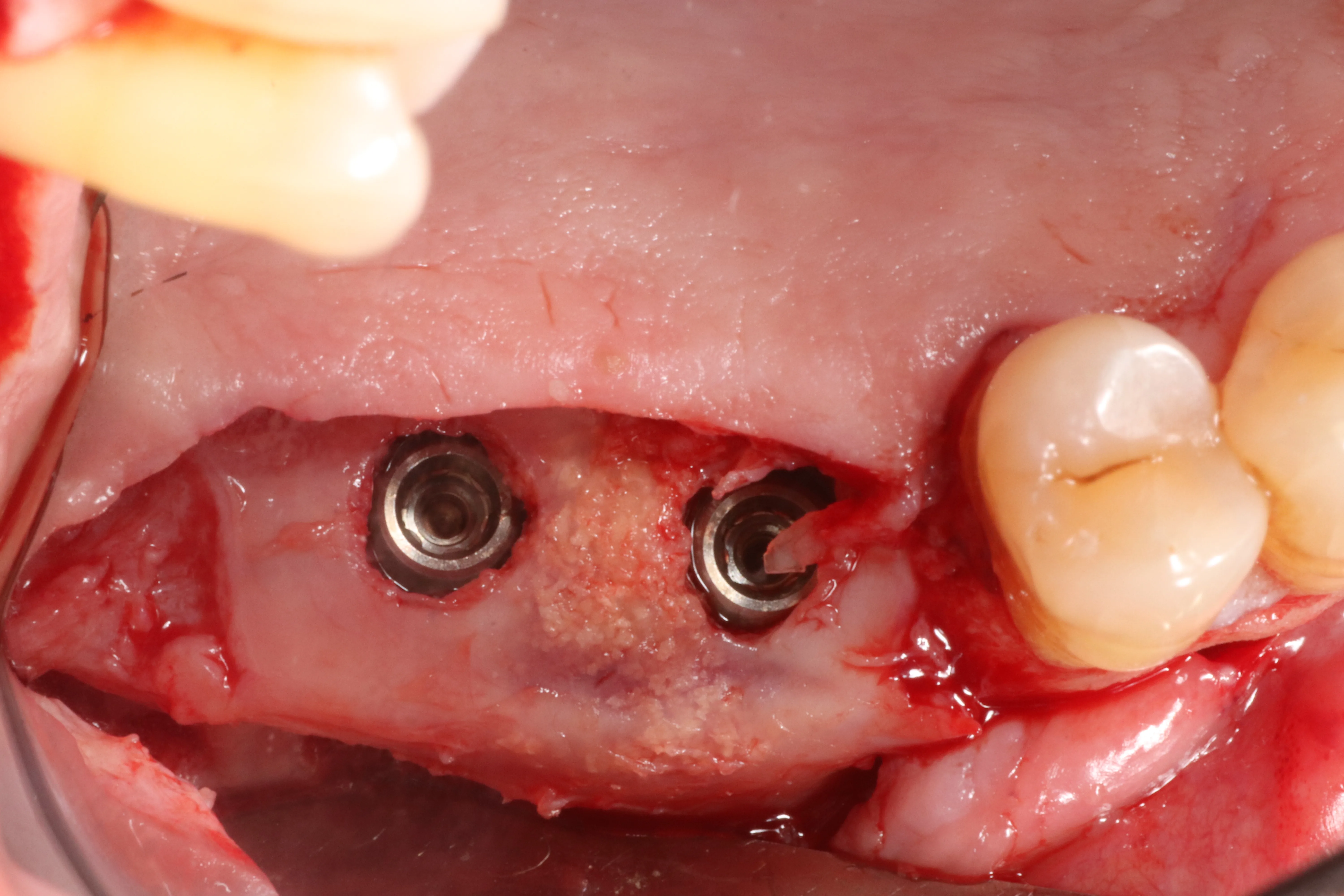
A hands-on learning experience
The perfect course for managing posterior maxillary atrophies
Managing posterior maxillary atrophies is one of the most complex challenges in modern implantology. Knowing how to choose the most suitable technique, prevent complications, and confidently manage bone augmentation interventions is now a fundamental skill for every implantologist. This course is designed to transfer concrete, predictable, and immediately applicable clinical protocols through a path that integrates scientific evidence, clinical experience, and direct interaction with the lecturer.
How the days are organized
During the two days, the main techniques of sinus lift, guided bone regeneration, and the use of short implants will be explored, analyzing for each method indications, limits, advantages, and decision criteria. Special attention will be given to treatment planning, prevention and management of complications, and analysis of real clinical cases, providing participants with useful decision-making tools in daily practice.
What you will be able to do at the end of the course
At the end of the course, the participant will be able to: - correctly plan treatment in cases of reduced bone availability in the posterior maxilla; - select the most appropriate surgical technique based on the clinical scenario; - manage sinus lift, guided bone regeneration, and short implants rationally; - prevent and address the main intra- and post-operative complications; - apply validated clinical protocols to increase the predictability of outcomes
The journey, day by day
| **09:00 – 09:30** | Course introduction and educational objectives | | **09:30 – 10:30** | Surgical anatomy of the upper maxilla | | **10:30 – 11:00** | Physiology of the maxillary sinus | | **11:00 – 11:15** | Coffee Break | | **11:15 – 12:15** | Implant treatment planning | | **12:15 – 13:15** | Sinus lift: crestal approach | | **13:15 – 14:15** | Lunch Break | | **14:15 – 15:45** | Sinus lift: lateral approach | | **15:45 – 16:30** | Management of surgical complications | | **16:30 – 16:45** | Coffee Break | | **16:45 – 17:30** | Post-operative management | | **17:30 – 18:00** | Clinical case discussion and Q&A session |
Regeneration and implant placement activities will be performed on an anatomical model, faithful copies of the anatomy of real patients.
Giovanni Ghirlanda
“The clinical rationale and literature support guide us in daily surgical choices.”
Graduated in Dentistry and Dental Prosthetics. In 1992 Visiting Doctor at the Harvard Dental School of Boston (MA). From 1996 to 1999 Adjunct Professor at the Chair of General Histology and Embryology of the University of Rome “La Sapienza”. From 1991 to 1994 member of the Dentists’ Board Commission of the Medical and Dental Association of Rome and province. From 1994 to 1996 President of the Dentists’ Board Commission of the Medical and Dental Association of Rome. Speaker at national and international congresses. Master in Implantology from the University of Murcia, Spain. Active member of the Italian Society of Osseointegration. Practices clinically limited to Periodontology and Implantology.
Venini Academy
Super high-tech location, equipped with cameras, microscopes, and 20 complete workstations to replicate clinical practice. Possibility also of live surgery on patient.
Request information about this course
Fill out the form: we'll get back to you soon with all the information and the full program.
- Get the full course program
- Discover availability and enrollment options
- Talk to our team for any information
Two ways to enroll
Online enrollment
Complete enrollment and payment in a few minutes via our secure platform. You'll be redirected to the dedicated portal.
Bank transfer
You can also enroll via bank transfer.
To complete enrollment via bank transfer, include in the payment reference name, surname and course title. After payment, send a copy of the transfer via the information form or by email.
Frequently asked questions